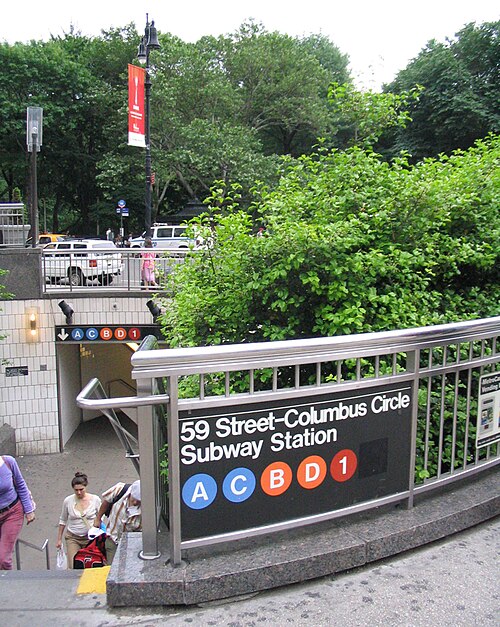
People flooded the station on October 27, 1904. It was pure chaos. The Interborough Rapid Transit Company, or IRT, had finally launched its first line, and this station at 59th Street was a major stop. Chief engineer William Barclay Parsons spent years digging up Broadway, using a disruptive cut-and-cover method that turned the street above into a muddy, open-air trench. But the result was stunning. Architects George Lewis Heins and Christopher Grant LaFarge handled the station interiors. They hated the idea of dark, dingy underground spaces, so they plastered the walls with white glass tiles to bounce the meager electric light around. Then they added the art.
Grueby Faience Company of Boston crafted the station's signature glazed ceramic plaques. These circular medallions show Christopher Columbus's flagship, the Santa Maria, sailing on a textured blue sea. Why a ship It directly mirrored the massive monument standing on the street level above, linking the subterranean world to the city's surface geography. Decades of grime and hasty transit expansions almost ruined this artistry. In the mid-20th century, workers slapped utilitarian tiles over the original walls. They even painted over some mosaics. But during a massive 2000s renovation, restorationists carefully peeled back these modern layers, exposing the 1904 craftsmanship once more. It is not a pristine museum. Actually, it is a working, grimy, beautiful piece of living history that over a hundred thousand commuters trample through every single day.
What Makes 59th Street--Columbus Circle Subway Station (IRT) Special:
59th Street--Columbus Circle Subway Station (IRT) Location Map: