The Mississippi River used to be a wild, shallow gamble for barge captains. Sandbars wrecked boats constantly. Then the Great Depression hit, and the federal government decided to rebuild the entire river. They authorized the Nine-Foot Channel Project in 1930. Lock and Dam No. 18, sitting just north of Gladstone in Henderson County, became a massive piece of this puzzle. Workers broke ground in 1934 during a brutal winter. It was muddy, backbreaking work. Hundreds of local men desperately needed these jobs. They poured millions of tons of concrete into the riverbed to build a system that could tame the currents. By 1937, the site was operational. It completely changed how goods moved through the American heartland.
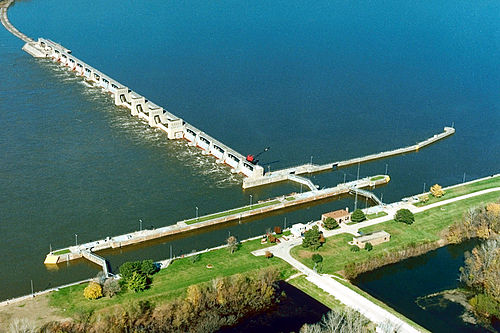
The engineering here is heavy-duty. We are talking about a 110-by-600-foot lock chamber made of massive concrete walls. The dam itself stretches over a thousand feet across the water. It uses three massive roller gates and fifteen Tainter gates to control the pool level. These steel gates weigh tons, yet they move with incredible precision. Why did they build this massive barrier The main goal was to artificially raise the water level upstream. This created Pool 18, a deep, stable reservoir stretching miles north. Without this step, modern barge traffic simply could not exist. Coal, grain, and steel started moving in quantities never seen before. But it wasn't just about shipping. The construction saved local families from starvation during the worst economic collapse in American history.
Today, the district looks remarkably like it did in the late 1930s. The original brick control station and Spanish-colonial style storage buildings still stand today. It got its spot on the National Register of Historic Places in 2004. Walk down there. You can still hear the low rumble of the machinery. It still works. Every single day, massive towboats push thousands of tons of cargo through the lock chamber. A living monument to New Deal muscle.
What Makes Lock and Dam No. 18 Historic District Special: