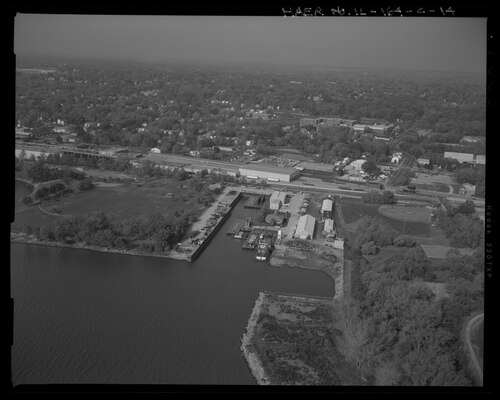
Coal, grain, and steel didn't just move themselves. The government had to tame the river first. The Illinois Waterway Project Office on Grant Street served as the brain for this massive, messy engineering job. Built in 1932. This unassuming brick building housed the U.S. Army Corps of Engineers during a critical pivot in American infrastructure. They directed the construction and daily operations of the Peoria Lock and Dam from this very spot. It was grueling work. Workers battled muddy banks and unpredictable river currents to link the Great Lakes directly to the Gulf of Mexico.
Actually, the architecture tells a story of federal frugality. The Corps didn't build a flashy skyscraper. Instead, they opted for a sturdy, two-story colonial revival design that screamed permanence. It stood as a symbol. Federal muscle. During the Great Depression, projects like this put desperate local men to work. They poured tons of concrete into the riverbed just yards away. The office became the administrative anchor for the entire middle stretch of the river. It proved that Uncle Sam was here to stay, keeping shipping lanes open while the national economy collapsed.
So why does a simple brick office on the Peoria riverfront get a spot on the National Register Because it represents the moment we successfully industrialized the natural world. Before 1932, the river was wild. Low summer waters routinely halted shipping. Winter ice choked the channels. The new lock and dam system changed everything. This office served as the cockpit for a machine that reshaped Midwestern commerce. It survives today as a rare, intact remnant of early twentieth-century river management. It looks almost exactly as it did when steam-powered towboats still puffed past its windows.
What Makes Illinois Waterway Project Office Special: