In November 1782, nearly five thousand French soldiers marched through Connecticut. They had just helped defeat Cornwallis at Yorktown. Now, they were heading home. The forty-seventh camp of Rochambeau's army, located in Windham, marks one of their final stops before boarding ships in Boston. Rochambeau's men did not just walk. They dragged heavy artillery over miserable, frozen mud roads. This site preserves their exhaustion. It was a brief stopover. Only one night. But the physical traces they left behind tell a gritty story of alliance and survival.
Archeologists digging in the area found more than just old campsite ash. They dug up brass buttons, horse tack, and lead musket balls. Some items belonged to the Bourbonnois regiment. Others belonged to the Royal Deux-Ponts, a regiment of German-speaking soldiers fighting under the French flag. These were not elite officers. Instead, we see the debris of tired, shivering infantrymen huddled around makeshift hearths. Local farmers probably stared in disbelief. Five thousand foreign soldiers suddenly appeared in their backyards. The French stripped local woodlots bare for firewood in a matter of hours, paying local landowners in hard silver coins that the cash-strapped colonist economy desperately needed.
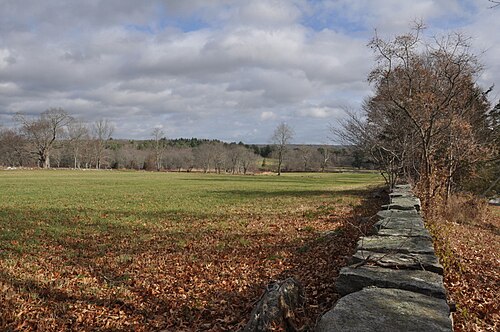
Today, the site looks like ordinary Connecticut woodland. You might walk right past it. But beneath the leaves lies history. That is exactly why the National Register listing matters. It protects a fragile underground record from bulldozers and developers. Most Revolutionary War sites celebrate the gunfire. This place honors the logistics. The endless walking. The cold nights. It reminds us that winning a war required miles of mud.
What Makes Forty-Seventh Camp of Rochambeau's Army Special: