In June 1781, nearly five thousand French soldiers marched into Windham, Connecticut. They were filthy. This spot marked Rochambeau's fourth camp on his grueling trek south to Yorktown. Four elite regiments set up camp here. Local farmers watched in utter disbelief as thousands of men in glittering white wool uniforms took over their pasturelands. They brought silver. That French coin kept the local economy alive for months.
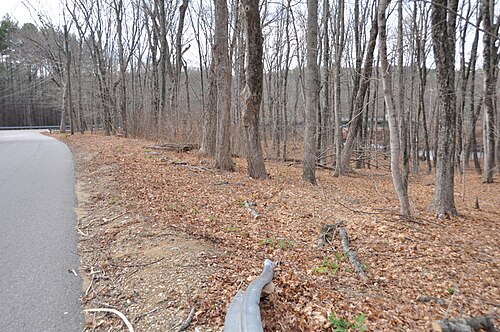
So why does this patch of dirt matter today Most Revolutionary War camps vanished under asphalt. Not this one, though. Archaeologists digging in these Windham fields found the actual physical remains of the 1781 encampment. They pulled up lost uniform buttons, dropped lead shot, and hand-forged nails. Some buttons bore regiment numbers. They also found ash-filled hearths where French soldiers roasted local beef.
The French stayed only a few days before marching on to Hartford. But they returned. In November 1782, the victorious army tramped back through Windham on their way to Boston. The mood was different. They had beaten Cornwallis at Yorktown. The Windham campsite remains one of the best-preserved French army sites in the entire country. A quiet, grassy reminder of a crucial alliance.
What Makes Fourth Camp of Rochambeau's Army Special: